


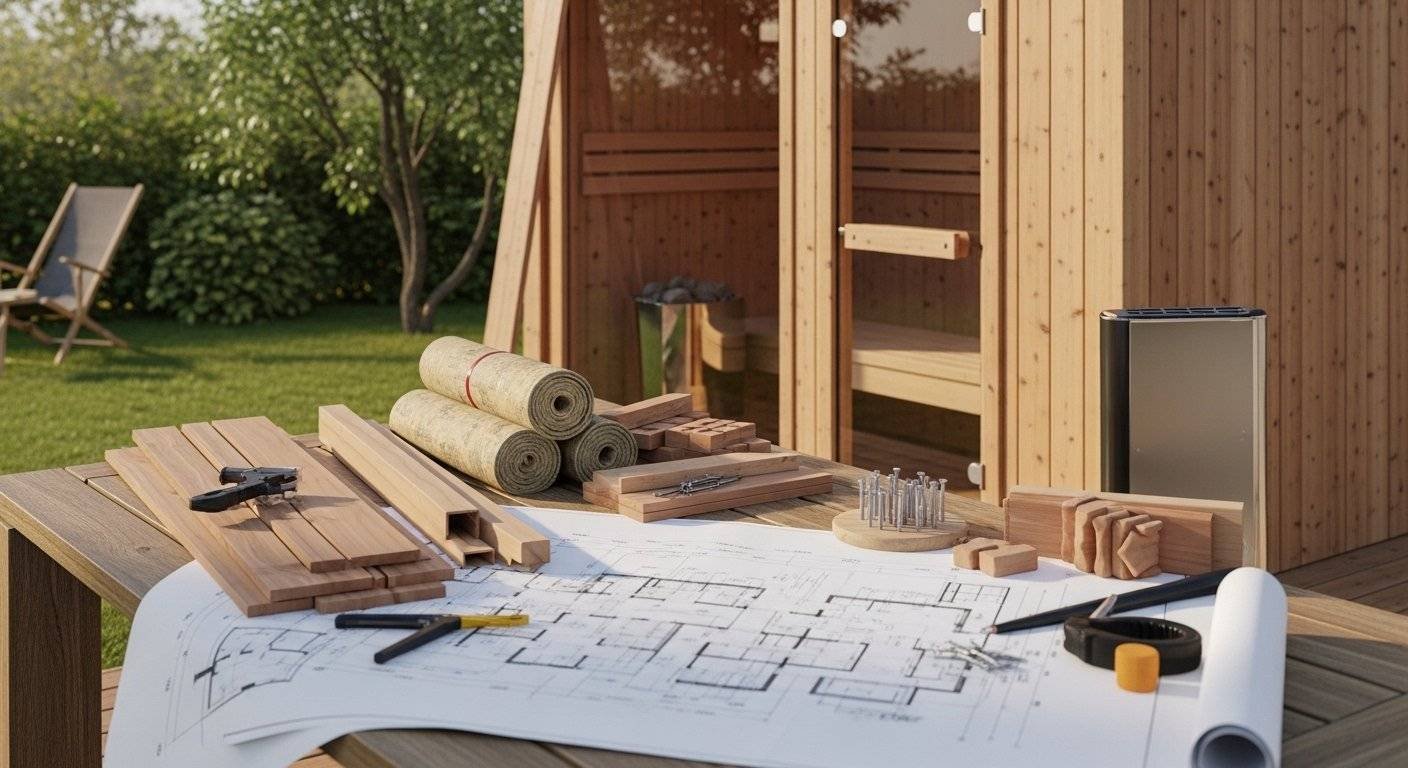
Building an outdoor sauna is one of the best investments you can make for your home and well-being. Whether you dream of a rustic cedar retreat or a sleek modern structure, having solid outdoor sauna building plans is the foundation of a successful project.
At Chinook Hot Tubs & Saunas, we’ve helped countless Canadians bring their sauna visions to life.
This guide walks you through everything, from design styles and material choices to realistic cost estimates. With the right planning, you can build a sauna that lasts decades and adds real value to your property.
Outdoor saunas offer a dedicated wellness space separate from your living area, making it easier to fully unwind. Regular sauna use supports cardiovascular health, muscle recovery, stress reduction, and improved sleep quality. Having one step from your backyard means those benefits are always accessible.
A well-built outdoor sauna can significantly increase your home’s appeal and resale value. In Canada’s climate, a properly insulated sauna is perfectly usable year-round — even through harsh winters. Chinook Hot Tubs & Saunas specializes in products designed for Canadian weather, so durability is never a concern.
The traditional Finnish sauna features a pitched roof, wood-burning stove, and simple rectangular layout. It’s the most time-tested design, ideal for those who want authentic high-heat, low-humidity sessions. Materials are typically cedar or spruce, with heavy insulation in the walls and ceiling.
Barrel saunas have a curved, cylindrical shape that improves heat circulation and reduces the volume of air to be heated. They’re compact, efficient, and visually striking in any backyard. Barrel sauna kits are widely available and can often be assembled without professional help.
Cabin-style saunas look like small outbuildings and can include a changing room, shower area, and lounge space. They offer the most comfort and flexibility for families or frequent users. These designs require more planning and budget but deliver a premium experience.
Most residential saunas range from 6×6 to 8×10 feet. A 6×8 layout comfortably fits 3–4 people with two-tiered benches. Your outdoor sauna building plans should account for bench placement, heater location, door swing, and ventilation pathways from the start.
Common foundation choices include concrete slabs, pressure-treated wood frames, and gravel pads. In colder climates like Canada, a proper frost-resistant foundation prevents shifting and structural damage over time. Consult local building codes before finalizing your foundation design.
Good ventilation is critical for air quality and heater efficiency. A low intake vent near the heater and a high exhaust vent on the opposite wall creates the ideal airflow. Walls and ceiling should be insulated with mineral wool or foil-faced batts rated for high temperatures.
Western red cedar is the gold standard for sauna construction — it’s naturally resistant to moisture, decay, and insects, and smells incredible when heated. Nordic spruce and thermally modified wood are excellent budget-friendly alternatives. Avoid pressure-treated or painted lumber, as these release harmful chemicals when heated.
The exterior of your outdoor sauna needs to handle rain, snow, and UV exposure. Metal roofing, cedar shingles, and asphalt shingles are all solid choices. Exterior walls can be finished with horizontal cedar siding or board-and-batten for a classic Canadian look.
A basic DIY outdoor sauna using a kit can cost between $3,000 and $7,000 CAD, depending on size and materials. A custom-built sauna with professional labour typically runs $10,000 to $25,000 or more. The gap depends heavily on complexity, foundation work, and electrical requirements.
Key expenses include the heater ($500–$3,000+), wood and framing ($1,500–$5,000), electrical installation ($500–$2,000), insulation and vapour barrier ($300–$800), and interior benches and finishing ($500–$1,500). Always budget an additional 10–15% for unexpected costs.
Beyond the build, factor in electricity or firewood costs, annual maintenance, and any required permits. Electrical saunas cost roughly $0.50–$1.50 per hour to operate, while wood-burning saunas require a steady supply of dry firewood. Routine oiling and inspection add a small annual cost.
Most Canadian municipalities require a building permit for permanent outdoor structures, including saunas. Requirements vary by province and municipality, so always check with your local authority before breaking ground. Failing to obtain permits can cause issues when selling your home.
Zoning bylaws typically require saunas to be set back a minimum distance from property lines, fences, and the main dwelling. Electrical work must be done by a licensed electrician and inspected before use. Chinook Hot Tubs & Saunas can help guide you through local compliance requirements.
Electric sauna heaters are the most convenient option; they heat up quickly, are easy to control, and require minimal maintenance. They need a dedicated 240V circuit installed by a licensed electrician. Sizes range from 3 kW for small saunas to 12 kW for larger cabins.
Wood-burning stoves deliver an authentic sauna experience with crackling fire and natural heat. They’re ideal for remote locations without reliable power access. The chimney installation adds cost but wood-burning heaters create an unmatched ambiance that many sauna enthusiasts prefer.
Start by finalizing your sauna size, style, and location. Sketch or download outdoor sauna building plans that match your goals and budget. Secure any necessary permits, order materials, and plan your timeline. Most outdoor sauna builds take one to three weekends for DIYers.
Begin with the foundation, then frame the walls and roof. Install insulation and a vapour barrier before closing up the walls. Hang the interior cedar lining, build benches, install the heater, and finish with exterior cladding, roofing, and door installation.
At Chinook Hot Tubs & Saunas, we’re proudly Canadian and passionately committed to helping you create the perfect relaxation space. Whether you’re starting from scratch with outdoor sauna building plans or looking for expert guidance, our team is here for every step of your journey!