

Please note we will be closed on Saturday, August 15th for a family event.
✦Please leave us a message at 613-729-1447 or send us an email at info@chinookhottubs.ca if you have any questions.
✦We will return on Tuesday, August 17th and will respond to all messages then.
✦Please note we will be closed on Saturday, August 15th for a family event.
✦Please leave us a message at 613-729-1447 or send us an email at info@chinookhottubs.ca if you have any questions.
✦We will return on Tuesday, August 17th and will respond to all messages then.
✦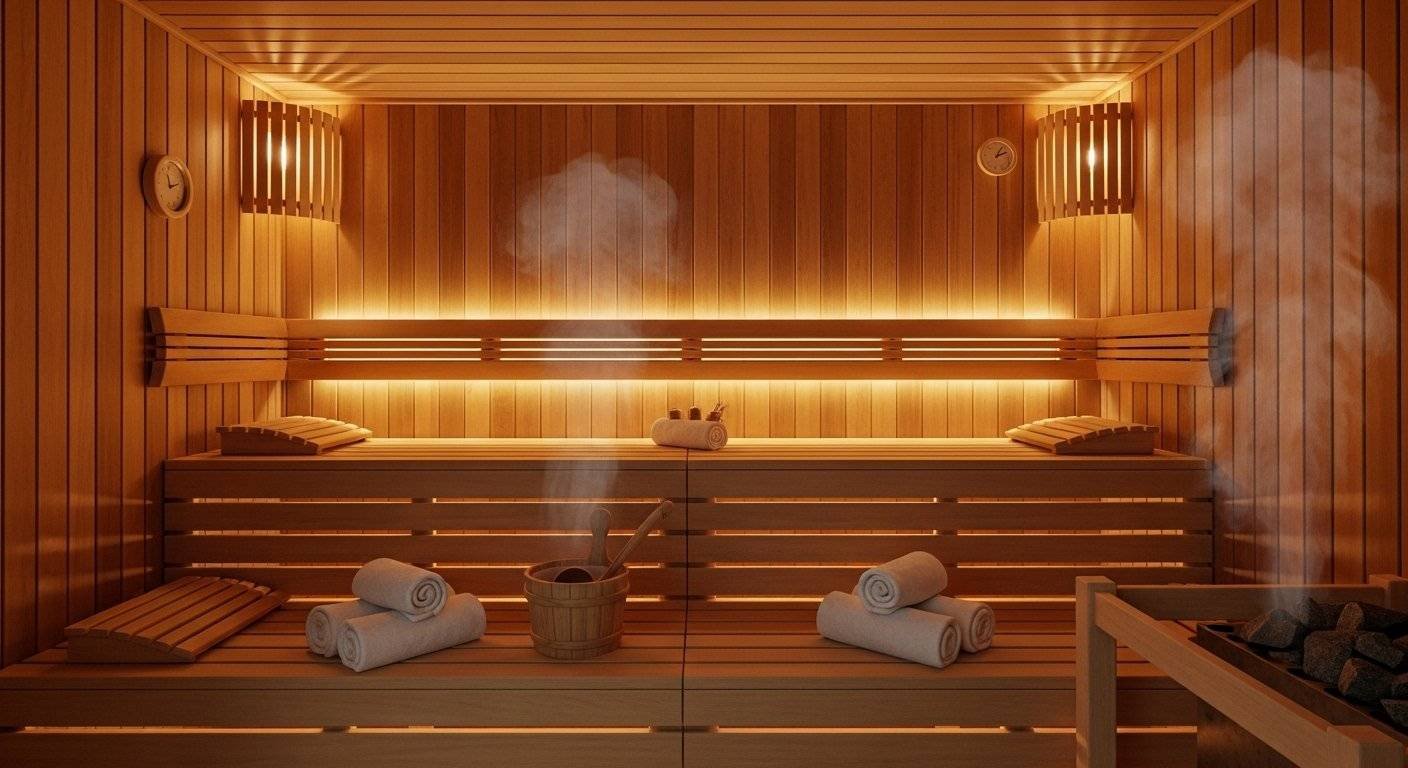
A home sauna is one of those beautiful investments that pays you back every single day. You step in after a long day, the heat wraps around you, and everything stressful just melts away. That deep detox feeling, the relaxed muscles, the quiet moment all to yourself – there is nothing quite like it.
But here is the thing. A sauna carries a lot of what your body releases. Sweat, bacteria, and moisture build up on the surfaces over time. And if you are not keeping up with regular cleaning, that peaceful retreat can slowly turn into something less inviting.
The good news is that sauna maintenance is actually much simpler and far less expensive than maintaining a hot tub. A little routine care goes a long way, and once you get into the habit, it truly takes no time at all.
You do not need fancy equipment or hours of scrubbing. Just follow these five steps and your sauna will stay fresh and welcoming all year long.
You do not need to spend a lot on commercial products. In fact, some of the most effective sauna cleaners are probably already in your home.
A simple mix of white vinegar and water in a 1:1 ratio works wonderfully for everyday wiping. It kills bacteria, neutralizes odors, and is completely safe for wood. Baking soda mixed into a paste can tackle tougher stains on benches without being too abrasive.
For a fresh scent, a few drops of eucalyptus or tea tree essential oil added to your cleaning solution adds a lovely aromatic touch. Both oils carry natural antimicrobial properties, so they are doing more than just smelling nice.
If you prefer a ready-made solution, look for sauna-specific cleaners that are pH-neutral and free of harsh chemicals. Avoid anything with bleach or ammonia. These can damage wood fibers and leave behind fumes that you really do not want to be breathing in a hot, enclosed space.
Always check that your chosen product is safe for wood surfaces before applying it anywhere near your sauna benches or walls.
Infrared saunas work a little differently from traditional ones. They heat your body directly rather than the surrounding air, which means they tend to produce more intense sweating at lower temperatures. More sweat means more residue on surfaces.
Beyond the hygiene factor, a clean infrared sauna actually performs better. Dust and buildup on the heating panels can reduce their efficiency over time. Keeping the panels lightly wiped down means you are getting the full benefit of every session.
There is also the matter of air quality. In an enclosed space, bacteria and mold spores can circulate. A consistently clean sauna means you are breathing clean air while you relax, which makes the whole detox experience so much more meaningful.
Cedar is the gold standard for sauna wood, and for good reason. It is naturally resistant to moisture, bacteria, and decay. It also has a beautiful scent that only deepens over time with proper care.
Because cedar is a softer wood with a more open grain, it absorbs and releases moisture quite readily. This means you should never over-saturate it with water or cleaner. Use a damp cloth rather than a wet one, and always let it dry fully after cleaning.
Cedar should never be sanded unless necessary, as sanding removes the natural oils that protect the wood. Avoid oil-based finishes as well. Cedar is happiest when left natural, just cleaned gently and allowed to breathe.
Composite or fiberglass saunas, by contrast, can handle slightly more moisture and scrubbing. They are less porous and easier to disinfect, but lack the warmth and natural properties that make cedar saunas so special.
A little care really does go a long way. Your sauna is a sanctuary, and it deserves the same attention you give to yourself when you step inside it. Keep it clean, keep it fresh, and it will reward you with years of beautiful, restorative sessions.