

Absolutely yes! And more Canadians are doing it than ever. While premium custom saunas can cost $20,000 or more, a functional and enjoyable sauna can be built for well under $3,000 with smart planning. Knowing how to build a sauna cheaply starts with understanding where money is spent and where it can be saved without compromising safety or comfort.
At Chinook Hot Tubs & Saunas, we believe everyone deserves access to the health and relaxation benefits of a sauna. This guide gives you a realistic, practical path to getting there on a tight budget.
Repurposing an existing shed is one of the cheapest ways to build a sauna. You eliminate the cost of framing and exterior work, focusing your budget on insulation, lining, and a heater. A 6×8 shed can make a perfectly functional two-person sauna for under $1,500 in materials.
Transforming a large closet, spare room corner, or basement space into a sauna is another budget-friendly approach. You benefit from existing walls, floors, and electrical access. This route can cost as little as $800–$1,500 for a small single-person unit.
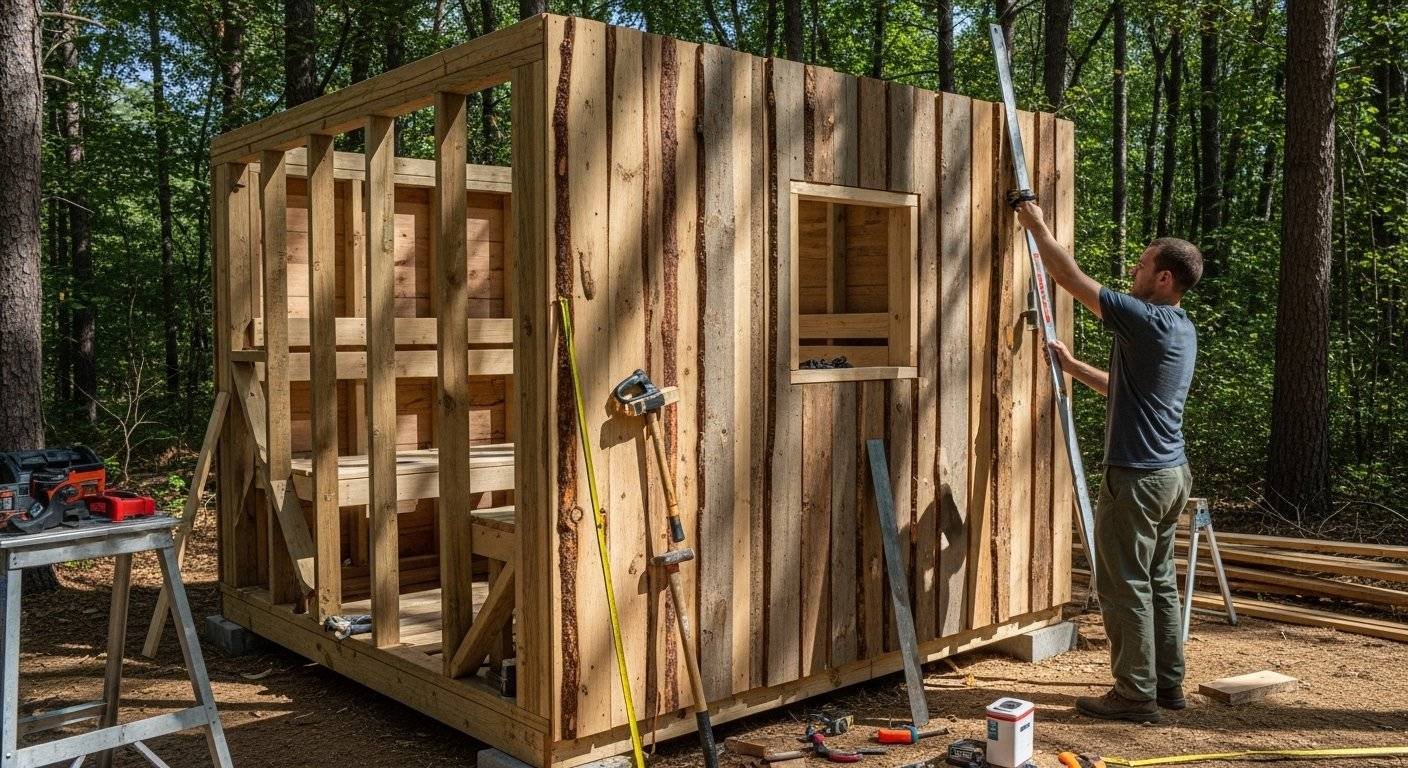
Building a small freestanding outdoor sauna from scratch using budget lumber is still achievable under $2,500–$3,500. Using spruce instead of cedar, sourcing reclaimed wood, and doing all the labour yourself keep costs manageable. This is the most rewarding approach for experienced DIYers.
A converted shed sauna can run $800–$1,500 in materials. A basic indoor sauna build costs $1,000–$2,000. A simple freestanding outdoor sauna typically costs between $2,000 and $3,500, including the heater. Labour is the single biggest cost driver, doing everything yourself can cut your total bill in half.
Use spruce or pine instead of cedar for framing and some interior surfaces. Shop end-of-season sales for heaters and accessories. Reuse existing structural elements wherever possible. Sourcing materials from local lumber yards or Facebook Marketplace for used materials can also shave hundreds off your total.
You’ll need a circular saw, a drill, a hammer, a tape measure, a level, and a staple gun. A moisture metre and infrared thermometer are helpful but optional. Most of these tools can be rented cheaply if you don’t own them, avoiding a major upfront investment.
Materials include framing lumber (2×4 or 2×6), mineral wool or foil-faced insulation, vapour barrier poly sheeting, interior cedar or spruce tongue-and-groove boards, a sauna heater and rocks, a sauna door, bench lumber, and ventilation grilles. Budget roughly $60–$80 per square foot for basic builds.
Spruce and pine are far cheaper than cedar and still perform well in sauna environments when properly finished. They’re widely available at any lumber yard and easy to work with. The main trade-off is that they don’t have cedar’s natural moisture resistance, but with proper ventilation, they hold up well for years.
Thermally modified (thermowood) boards offer better moisture resistance than standard spruce at a lower price point than cedar. They’re an excellent middle-ground option for budget builders who want improved durability. Many building supply stores in Canada now carry thermally modified sauna boards.
Entry-level electric sauna heaters from brands like Harvia, Finnleo, or VEVOR start around $300–$600 CAD. A 4–6 kW model is sufficient for saunas up to 8×10 feet. Look for heaters with integrated controls and a rock basket included to avoid additional costs.
A basic wood-burning sauna stove costs $400–$800 and eliminates ongoing electricity costs. They’re especially practical in rural Canadian settings where wood is accessible. Factor in chimney installation costs ($300–$600), but over time, you may save significantly on operating expenses.
Sketch your sauna layout, confirm dimensions, and check local permit requirements. Even small outdoor structures may need approval in your municipality. Having your plans ready before purchasing materials prevents costly changes mid-build.
Build or modify your structure’s frame using 2×4 or 2×6 lumber. Install mineral wool insulation between studs and apply a vapour barrier on the hot side of the wall. Proper insulation is the single most important factor in heating efficiency and long-term durability.
Attach tongue-and-groove cedar or spruce boards horizontally to interior walls and ceiling. Build two-tiered benches from 2×4 or 2×6 lumber with gaps between boards for airflow. Sand all surfaces smooth to prevent splinters and avoid any staining or sealing inside the sauna.
Mount your sauna heater according to the manufacturer’s specifications, maintaining the required clearances from walls and benches. Add a low intake vent near the heater and a high exhaust vent on the opposite wall. Have a licensed electrician complete any wiring before your first use.
Check that your shed has solid walls, a sound roof, and enough ceiling height (minimum 7 feet). Gaps, rot, or pest damage need to be repaired before conversion. A 6×8 or 8×10 shed is ideal, large enough for 2–4 people without requiring excessive heating power.
Add insulation and a vapour barrier to all walls and the ceiling first. Line the interior with sauna boards, build benches, and install your heater. Add a proper sauna door with a window, and run your electrical connection. A full shed conversion typically takes two to three weekends and costs $1,000–$2,000 in materials.
Indoor saunas take advantage of existing insulation, electrical access, and weather protection, which lowers material and labour costs. There’s no need for exterior cladding, roofing, or foundation work. For pure cost efficiency, an indoor build almost always wins on budget.
Outdoor saunas offer a more immersive experience and don’t take up living space. They’re easier to ventilate and keep moisture away from the main home’s structure. While they cost slightly more to build, many people prefer the ambiance of heading outside into a dedicated sauna space, especially in a Canadian backyard.
Never attempt to wire a sauna heater yourself unless you’re a licensed electrician. Sauna environments involve high heat and humidity, creating serious shock and fire risks with improper wiring. Always have electrical work inspected before use.
Maintain all manufacturer-specified clearances between the heater and combustible surfaces. Never use pressure-treated wood, composite boards, or painted lumber inside a sauna. Install a smoke detector and carbon monoxide detector, especially if using a wood-burning stove.
Sauna heaters and accessories often go on sale in spring and fall. Purchasing your heater and hardware during off-season can save 20–30% compared to peak buying periods. Follow Chinook Hot Tubs & Saunas and other retailers for seasonal promotions.
Reclaimed cedar fencing, demolition project lumber, and second-hand doors can drastically reduce material costs. Always inspect reclaimed wood for rot, mould, and pest damage before using it in a sauna. Facebook Marketplace and local building salvage stores are great sources.
Under-insulating your sauna means your heater works harder, uses more energy, and takes longer to reach temperature. This increases both operating costs and heater wear. Spending a few hundred extra on quality insulation upfront pays for itself quickly.
Using pressure-treated lumber, OSB, or drywall in a sauna can lead to premature failure and pose potential health hazards. These materials aren’t designed for high heat and humidity, and replacing them mid-build costs more than doing it right the first time.
After each use, leave the sauna door slightly open to allow moisture to escape and prevent mould growth. Wipe down benches regularly and inspect for any discolouration or soft spots. A clean, dry sauna requires far less maintenance and lasts significantly longer.
Check sauna rocks once a year for cracks or deterioration and replace any that are breaking apart. Inspect heater elements, connections, and the rock cage for signs of rust or wear. Catching small issues early prevents expensive repairs down the road.
A converted shed or indoor closet sauna is typically the cheapest option, often achievable for $800–$1,500. These builds use existing structural elements, significantly reducing the scope of work.
Permit requirements vary by location. Small indoor saunas may not require one, but outdoor structures usually do. Always check with your local municipality before starting to avoid fines or issues when selling your home.
A well-built DIY sauna, built with quality materials and properly maintained, can last 20–30 years or more. The keys to longevity are good insulation, proper ventilation, the right interior wood, and regular cleaning after use.