

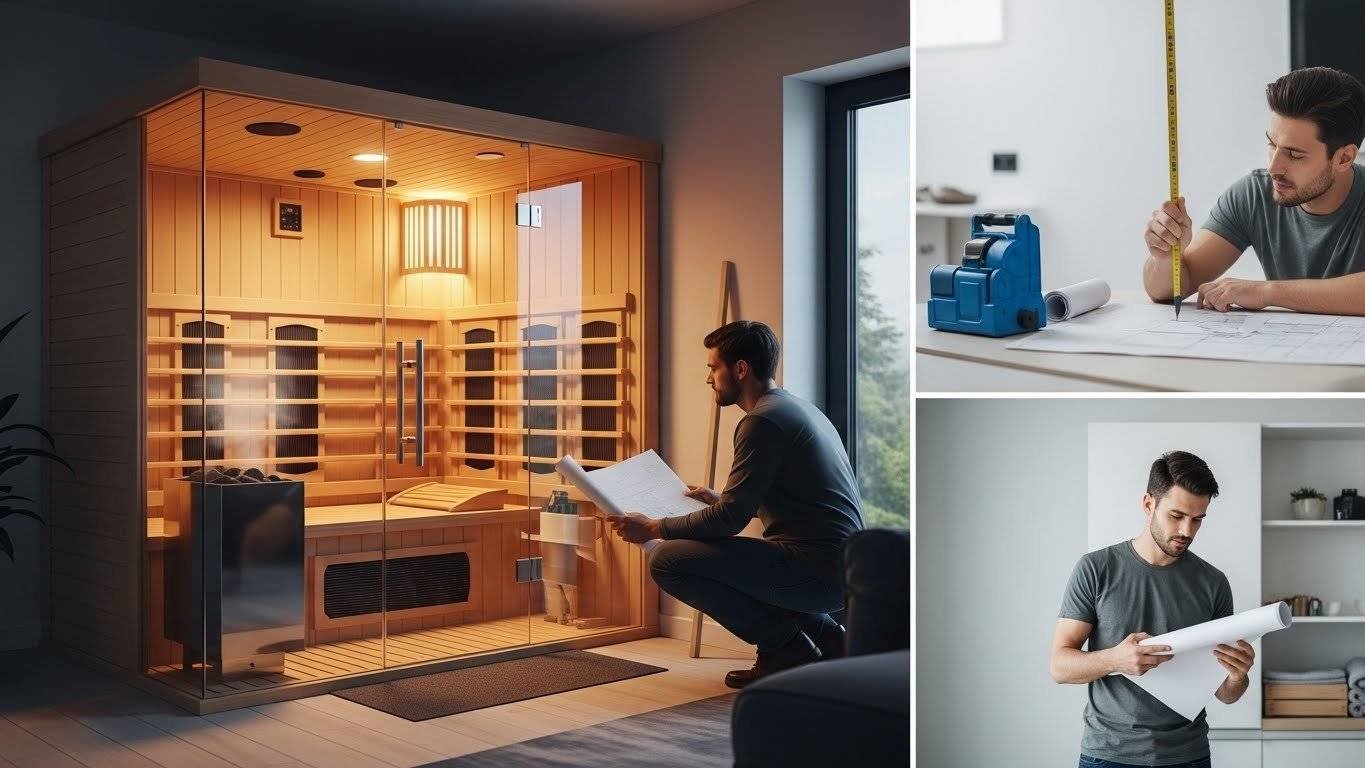
Installing a sauna at home has become an increasingly popular wellness investment for many people seeking the health benefits of regular heat therapy. No matter if you are looking for a traditional sauna or a modern infrared sauna, the costs and requirements help homeowners make informed decisions about bringing this relaxing experience into their space.
The price of installing a sauna varies significantly depending on the type, size, and location chosen. A basic indoor sauna unit can be estimated from $6,000 to $10,000 for prefabricated models, while custom-built traditional saunas may range from $8,000 to $15,000 or more. The regular price typically includes the sauna room structure, benches, and a heater or stove.
For those considering an outdoor sauna, costs can be similar or slightly higher due to additional weatherproofing requirements. An outdoor sauna offers a unique bathing experience, allowing people to enjoy nature while benefiting from the therapeutic heat. The unit price depends heavily on the materials selected, with quality wood like cedar or hemlock commanding premium prices but offering superior durability and heat retention.
Infrared saunas are generally a more affordable option, with many models priced between $6,000 and $8,000. They don’t require the same ventilation or electrical capacity as traditional saunas, which helps reduce installation costs.
Most sauna installations require professional electrical work. Traditional saunas with electric heaters typically need a 220-240-volt dedicated circuit, making an electrician essential for safe installation. The stove or heater generates intense heat, often reaching temperatures between 150°F and 195°F, which demands proper electrical infrastructure.
For a home sauna with an electric heater, the electrician will assess the home’s current electrical capacity and may upgrade the panel if required. This ensures the sauna operates safely without overloading the electric system. The rocks placed on the heater absorb and radiate heat throughout the room, creating the authentic sauna experience people seek.
Infrared saunas offer more flexibility, as many models operate on standard 20A 120-volt outlets. However, consulting with an electrician remains wise to verify that the electrical system can handle the additional load during sauna sessions.
Wood-burning saunas, particularly the traditional smoke sauna popular in Finland, don’t require electrical work but need proper ventilation and fire safety measures. These units create heat through burning wood, with stones heated by the fire to generate steam when water is splashed on them.
The foundation beneath an indoor sauna is crucial for longevity and performance. Most indoor saunas require a solid, level surface that can withstand high humidity. Tile flooring works exceptionally well, as it’s waterproof and easy to clean after sauna bathing sessions.
Concrete is another excellent option for the space under a sauna unit. It provides stability and isn’t affected by occasional water exposure from steam. Some homeowners install their indoor sauna on sealed concrete floors in basements or dedicated wellness rooms.
Waterproof vinyl or luxury vinyl plank flooring can also work.
For wet sauna installations where more water and steam are involved, a slight slope toward a drain may be incorporated into the floor design. This ensures any excess water doesn’t pool around the unit, protecting both the sauna and the surrounding room from moisture damage.
Installing a sauna requires careful planning beyond just the unit itself. The space must accommodate the precise dimensions of the chosen model, with adequate clearance around all sides for safety and maintenance. A typical home sauna needs at least 4 feet by 6 feet of room, though larger families prefer more spacious designs.
Ventilation is critical for both safety and comfort. Fresh air must circulate through the sauna room to replenish oxygen and remove excess humidity. Traditional Finnish saunas typically have an intake vent near the heater and an exhaust vent on the opposite wall, ensuring proper air flow throughout sessions.
The walls and ceiling surrounding the sauna should be protected from heat and moisture. Many people install heat-resistant insulation and vapor barriers behind sauna walls to protect the home’s structure.
The sauna itself is typically constructed from heat-resistant wood species that can withstand temperature extremes without warping or releasing harmful chemicals.
Access to water is beneficial, particularly for traditional saunas where steam is created by pouring water over hot stones. Some installations include a small sink or water source nearby for convenience during bathing sessions.
Indoor saunas bring the wellness benefits of heat therapy directly into the home. These units integrate seamlessly into bathrooms, basements, or spare rooms, creating a private retreat for relaxation. The installation process typically takes one to three days, depending on whether it’s a prefabricated unit or a custom build.
Prefabricated indoor saunas arrive in sections that fit through standard doorways, making them ideal for existing homes. These models come with pre-cut panels, benches, and heaters designed to work together efficiently. The body benefits from consistent sauna use, including improved circulation, reduced inflammation, and enhanced relaxation.
Custom indoor saunas offer maximum flexibility in design and can be built to fit unique spaces or precise dimensions. These installations take longer but allow homeowners to create exactly the sauna experience they envision, from bench configuration to lighting choices.
Health clubs and wellness facilities often feature multiple indoor saunas to accommodate many people simultaneously. However, home installations typically focus on intimate spaces designed for one to four people, maximizing the personal relaxation experience.
An outdoor sauna creates a distinctive wellness experience, connecting users with nature while enjoying therapeutic heat. These structures can be standalone buildings in the backyard or attached to the home’s exterior. The Finnish sauna tradition originally featured outdoor structures, often positioned near lakes or forests.
Building an outdoor sauna requires weatherproofing considerations beyond indoor installations. The wood exterior must withstand rain, snow, and temperature fluctuations while maintaining structural integrity. Quality construction protects the interior from moisture infiltration that could compromise the sauna’s performance.
Many outdoor saunas incorporate traditional design elements, including wood-burning stoves and simple benches arranged along the walls. The culture surrounding outdoor sauna bathing often includes cooling periods outside between heat sessions, which some believe enhances the health benefits.
Permits may be required for outdoor sauna construction, as municipalities often classify them as accessory structures. Checking local building codes before installation prevents complications and ensures the structure meets safety standards.
Traditional saunas follow Finnish sauna design principles perfected over centuries. These rooms feature wooden interiors, typically cedar, hemlock, or Nordic spruce, with tiered benches allowing people to choose their preferred temperature level. Heat rises, so higher benches experience more intense temperatures.
The heart of a traditional sauna is its heater and rocks. Electric or wood-burning heaters warm stones to extreme temperatures, creating dry heat that fills the room. When water is ladled onto the hot stones, it creates brief bursts of steam that temporarily increase humidity, a practice central to the authentic sauna experience.
Dr. Chen and other wellness experts note that traditional sauna sessions typically last 15-20 minutes, with users taking breaks to cool down between sessions. This cycle of heating and cooling provides numerous health benefits, from improved cardiovascular function to reduced inflammation in the body.
Traditional Finnish saunas maintain relatively low humidity compared to steam rooms, typically around 10-20%. This dry sauna environment allows for higher temperatures while remaining comfortable for most people. The combination of heat and low humidity encourages sweating, which many believe supports detoxification and skin health.
Building an affordable sauna doesn’t mean sacrificing quality or the wellness benefits of regular heat therapy. Several strategies help people create a home sauna on a budget while maintaining safety and effectiveness.
Choosing a smaller footprint reduces material costs significantly. A compact sauna measuring 4 feet by 4 feet, about 16 square feet, provides adequate space for one or two people while minimizing lumber and heating requirements. Less space means the heater works less to maintain the temperature, reducing both installation and operating costs.
Prefabricated kits offer excellent value compared to custom builds. These packages include pre-cut materials designed to fit together efficiently, reducing labor time and minimizing waste.
Many quality kits, available from stock heritage suppliers and custom stock options, cost up to $3,000, making them a budget-friendly choice for homeowners.
Sourcing materials strategically also controls expenses. Stock lumber from home improvement stores costs less than specialty wood, though cedar remains popular for its natural resistance to moisture and pleasant aroma. Some DIY builders use stock custom-grade materials for visible surfaces while opting for more affordable options for hidden structural elements.
Infrared saunas represent another budget-friendly option. These units don’t require the ventilation systems, dedicated electrical circuits, or substantial construction of traditional saunas. Many infrared sauna models are portable, eliminating installation costs while still delivering the therapeutic heat experience.
For wood-burning options, a simple barrel sauna design uses minimal materials while providing an authentic bathing experience. These cylindrical structures are efficient for heating and have become increasingly popular in rural settings.
Forbes Health and numerous medical studies highlight the wellness advantages of consistent sauna therapy. Regular sauna sessions support cardiovascular health, with the heat causing blood vessels to dilate and improving circulation throughout the body. This increased blood flow delivers oxygen and nutrients more efficiently to tissues.
The immune system may receive a boost from regular heat exposure. The body’s response to sauna bathing mimics a mild fever, potentially stimulating immune function. Many people who use public saunas or maintain home units report fewer colds and respiratory infections.
Inflammation reduction is another significant benefit. The heat helps relax muscles and joints, providing relief for people with arthritis or chronic pain conditions. Athletes often incorporate sauna sessions into their recovery routines to reduce muscle soreness and speed healing.
Mental wellness improves through the relaxation fostered by sauna bathing. The quiet, warm environment provides a break from daily stress, allowing people to decompress and practice mindfulness. The experience promotes better sleep quality, which further supports overall health.
Some studies suggest sauna use may support weight loss efforts, though this shouldn’t be the primary motivation. The body burns calories regulating its temperature during heat exposure, and sweating eliminates excess water weight temporarily. However, sustainable weight loss requires diet and exercise rather than relying solely on sauna therapy.
Sauna culture runs deep in Finland, where these heat-bathing facilities are considered essential to daily life. Finnish saunas appear in homes, public bathhouses, and even office buildings. The tradition of alternating between intense heat and cold plunges in lakes remains popular, believed to invigorate the body and sharpen mental clarity.
In the United States, sauna culture has evolved differently. Health clubs and wellness centers commonly feature sauna facilities alongside steam rooms, offering members various heat therapy options. Public saunas in American cities serve as community gathering places, though they’re less ubiquitous than in Nordic countries.
The smoke sauna represents the oldest form of this bathing tradition. These structures lack chimneys; instead, smoke from the wood fire fills the room while heating the stones and walls. Once the fire dies and the smoke clears, bathers enter a room saturated with gentle, long-lasting heat and the pleasant aroma of wood smoke.
Modern sauna culture increasingly recognizes the difference between dry and wet sauna experiences. Dry saunas maintain lower humidity, allowing higher temperatures, while wet saunas or steam rooms feature much higher humidity at lower temperatures. Each type offers distinct benefits and appeals to different preferences.
Public bathhouses in various cultures have incorporated sauna rooms alongside other bathing facilities. These communal spaces provide affordable access to heat therapy for people without home units, maintaining traditional wellness practices in contemporary urban settings.
Understanding the distinctions between sauna types helps people select the best option for their home and wellness goals. Traditional saunas, whether electric or wood-fired, create an authentic Finnish sauna experience with dry heat and the option to create steam by adding water to stones. These units typically reach temperatures between 150°F and 195°F.
Infrared saunas use different technology, emitting infrared light that heats the body directly rather than warming the air. These units operate at lower temperatures, usually 120°F to 140°F, which some people find more comfortable. Infrared saunas are popular for their potential to penetrate deeper into tissues, though research continues on comparative benefits.
Steam rooms differ significantly from saunas, maintaining near 100% humidity at lower temperatures around 110°F to 120°F. While often grouped with saunas, steam rooms provide a different experience, better suited for respiratory benefits and skin hydration rather than the dry heat bathing tradition.
The wet sauna versus dry sauna debate comes down to personal preference and desired health benefits. Dry saunas allow for higher temperatures and are traditional in Nordic cultures, while wetter conditions may benefit those with respiratory concerns or who simply prefer the feeling of humid heat.
For home installations, space constraints, budget, and electrical capacity often determine which type works best. A small bathroom might accommodate a compact infrared unit, while a basement or backyard provides room for a traditional sauna experience.
A proper sauna session enhances the health benefits and ensures a safe experience. Most experts recommend starting with shorter sessions of 10-15 minutes, especially for those new to sauna use. As the body adapts to the heat, time can gradually increase to 20-30 minutes per session.
Hydration is critical before, during, and after sauna bathing. The intense heat causes significant sweating, depleting the body’s water reserves. Drinking plenty of water replaces lost fluids and prevents dehydration, which can cause dizziness or fatigue.
The traditional Finnish sauna practice involves multiple rounds of heating and cooling. After a sauna session, stepping outside or taking a cool shower allows the body to regulate its temperature naturally. This contrast therapy may amplify circulation benefits and create an invigorating experience.
Timing matters for optimal wellness outcomes. Many people prefer evening sauna sessions to promote relaxation before bedtime, while others enjoy morning sessions for an energizing start. Athletes often use sauna therapy post-workout to aid recovery and reduce muscle inflammation.
Respecting personal limits is essential. If feeling lightheaded, nauseous, or uncomfortable, leaving the sauna immediately is important. The heat affects everyone differently, and listening to the body’s signals ensures a safe and beneficial experience.
Installing a sauna at home is a significant investment in personal wellness. It brings therapeutic heat benefits directly into one’s living space. The cost ranges from a few thousand dollars for basic units to over $10,000 for custom installations, depending on factors like size, materials, and type.
Most installations require professional electrical work to ensure safe operation, though infrared saunas offer more flexibility. Proper preparation of the space underneath and around the unit protects the home structure while ensuring optimal sauna performance.
Whether choosing an indoor or outdoor sauna, traditional or infrared technology, the health benefits remain compelling. Regular sauna therapy supports cardiovascular function, reduces inflammation, enhances relaxation, and connects users to a wellness tradition practiced for centuries across many cultures.