

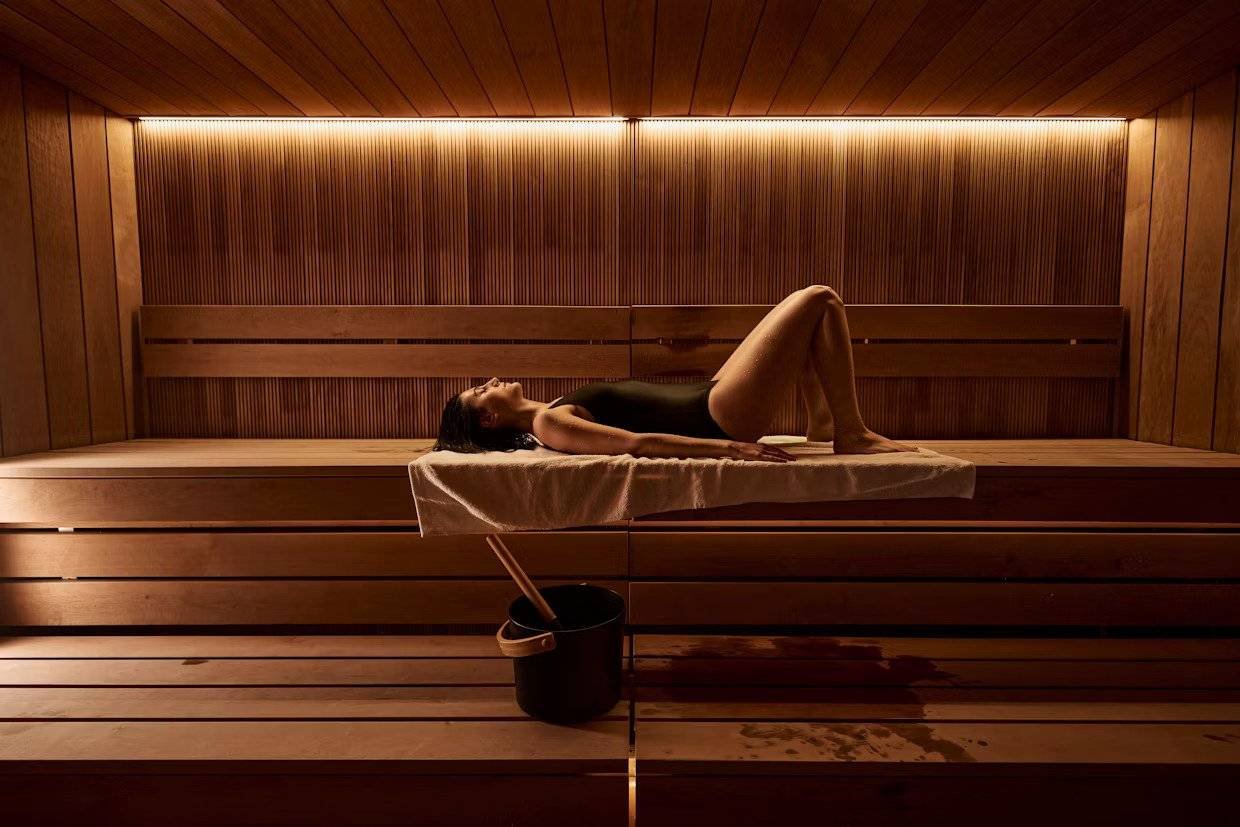
The flickering glow of sauna stones, the gentle crackle of wood, the enveloping warmth that seems to melt tension from your very bones, there’s a reason sauna culture has endured for thousands of years across dozens of civilizations.
Yet despite its ancient roots and proven benefits, many people are unsure how to properly use a sauna to maximize its therapeutic potential while staying safe.
This comprehensive guide will walk you through everything you need to know to use a sauna effectively, safely, and enjoyably.
Before we dive into the step-by-step process, let’s establish a foundational understanding of what makes a proper sauna experience and why the details matter.
A proper sauna session isn’t simply sitting in a hot room until you can’t stand it anymore. It’s a structured practice involving intentional heating, cooling, hydration, and rest cycles that work together to create specific physiological responses. Think of it as a deliberate wellness ritual rather than passive heat exposure.
The traditional Finnish sauna experience, which has influenced sauna culture worldwide, typically involves multiple rounds (often three) of heating followed by cooling periods. Each round builds on the previous one, progressively warming your body’s core temperature and inducing deeper relaxation and more profound physiological effects.
Now let’s walk through the entire process, from preparation to post-sauna care, ensuring you get the most from every session.
Your sauna experience actually begins well before you enter the heated room. Proper preparation sets the foundation for a safe, comfortable, and effective session.
Hydration Check: Drink 16-20 ounces of water 30-60 minutes before your session. If you’re planning a longer experience with multiple rounds, consider drinking even more. Check your urine color—pale yellow indicates good hydration, while darker yellow suggests you need more fluids before starting.
Timing Considerations: Avoid using the sauna immediately after a large meal. Wait at least 90 minutes after eating to prevent discomfort and diversion of blood flow away from digestion. Similarly, don’t use a sauna on an empty stomach if you’re prone to lightheadedness. A light snack 60 minutes before is ideal for many people.
Alcohol and Substance Avoidance: Never use a sauna while intoxicated or under the influence of any substance that impairs judgment or affects cardiovascular function. Alcohol significantly increases the risk of dangerous dehydration, heat injury, and cardiovascular events in the sauna. If you’ve been drinking, wait until you’re completely sober and well-hydrated before using a sauna.
Gather Your Supplies: Assemble everything you’ll need:
Physical Preparation: Remove all jewelry, watches, and eyeglasses before entering. Metal jewelry can become uncomfortably hot and potentially burn skin. Contact lenses can dry out in the heat; remove them if possible. Empty your bladder to avoid needing to interrupt your session.
This step is often skipped by beginners but is considered essential in traditional sauna culture for several important reasons.
Why Shower First: A pre-sauna shower removes dirt, oils, lotions, and sweat from your skin, which improves hygiene in the shared space (if applicable) and actually helps your body respond better to the heat. Clean skin allows for more effective sweating and temperature regulation.
The Technique: Take a warm (not hot) shower lasting 3-5 minutes. Use soap to cleanse thoroughly but avoid heavy moisturizers or oils that can block pores. Pay particular attention to feet, as clean feet reduce the risk of fungal transmission in shared sauna spaces.
To Dry or Not to Dry: Here’s where we address a common question: Is it better to enter a sauna wet or dry?
Is It Better to Enter a Sauna Wet or Dry?
Traditional practice varies by culture and personal preference, and both approaches have merit:
Entering Wet (Partially Dried): Many experienced sauna users prefer to enter with damp skin rather than completely dry. The residual moisture on your skin initially feels cooling and can make the first few minutes more comfortable, especially for beginners or when using high-temperature saunas. The moisture evaporates quickly, providing a gentle transition into the heat. In traditional Finnish saunas, entering with damp skin is common practice.
Entering Dry: Some people prefer to dry completely before entering, which allows them to feel the heat’s full effect immediately and may promote quicker sweating once their body heats up. This approach can feel more comfortable in infrared saunas that operate at lower temperatures.
Our Recommendation at Chinook Hot Tubs & Saunas: For beginners, we suggest entering with slightly damp skin (pat-dried but not completely dry). This makes the initial heat exposure more comfortable and gives your body a gentler introduction to the environment. As you gain experience, experiment with both approaches to discover your preference.
The one universal rule: never enter a sauna dripping wet, as excessive water on the floor creates slip hazards and makes surfaces uncomfortably hot from steam generation. Water (Especially chlorinated water from pools or hot tubs) can cause corrosion to fasteners holding benches together, if you do intend to use the sauna directly out of the pool, let the builder know prior to building so that the benches can be constructed with stainless steel fasteners.
How you enter and initially position yourself in the sauna sets the tone for your entire session.
Temperature Check: Before entering, verify the sauna is at your target temperature. For beginners, 150-160°F in traditional saunas or 120-130°F in infrared saunas is appropriate. Experienced users often prefer 170-190°F in traditional saunas or 140-150°F in infrared models.
Bench Selection: Choose your bench height based on your heat tolerance and experience level. In tiered saunas, heat rises, so lower benches are cooler. First-time users should start on the lowest bench, while experienced users often prefer the hottest upper benches for maximum effect.
Positioning Your Towel: Place a towel on the bench before sitting. This serves multiple purposes: protecting the wood from sweat, creating a barrier between your skin and hot surfaces, and maintaining hygiene in shared spaces. Some people prefer to lay one towel lengthwise on the bench and keep another nearby for wiping sweat.
Initial Posture: For your first round, sit comfortably with feet flat on the floor or the bench below. Keep your shoulders relaxed and hands resting comfortably. Avoid crossing your legs tightly, as this can restrict circulation. Many people find sitting upright initially, then reclining after several minutes once they’ve adjusted to the heat, provides the most comfortable experience.
Set Your Timer: Immediately set a timer for your planned duration. It’s remarkably easy to lose track of time in the relaxing heat, and having a timer ensures you don’t inadvertently overstay. For beginners, set it for 10 minutes maximum. Experienced users typically use 15-20 minute intervals.
What you do during your time in the heat significantly impacts both safety and benefits.
Breathing Awareness: Focus on steady, relaxed breathing. Some people find that deep, slow breathing enhances relaxation and heat tolerance. Breathe through your nose when possible, as this helps humidify and cool the air slightly before it reaches your lungs. If breathing feels difficult, lower your head toward your knees (where air is cooler) or reduce the temperature for your next session.
Position Changes: After 5-7 minutes, consider lying down if space allows. Lying horizontally exposes your whole body to a more uniform temperature, often creating a more even heating effect and deeper relaxation. If you’ve been lying down, sit up slowly for the last 2-3 minutes before exiting to allow your cardiovascular system to adjust and prevent dizziness upon standing.
Sweating Stages: Don’t expect immediate heavy sweating, it typically takes 5-10 minutes for sweating to really begin. First-time users may sweat less than expected; this is normal. Your body becomes more efficient at sweating with regular sauna use. Once sweating begins, you may want to use a small towel to wipe your face and body periodically for comfort.
Löyly (Steam Burst in Traditional Saunas): If using a traditional sauna with a heater and rocks, you may create löyly by ladling water onto the hot stones. This brief burst of steam temporarily increases humidity and perceived heat. Start with small amounts (one ladleful) and allow the steam to dissipate before adding more. Never pour water on electric heating elements that aren’t designed for it, only on designated sauna rocks.
Mental Focus: Use this time mindfully. Leave your phone outside (the heat can damage electronics). Many people use sauna time for meditation, visualization, reflection, or simply clearing their minds. Some prefer light reading in cooler saunas, though heavy concentration is difficult in intense heat, and a heavy sweat can damage books.
Listen to Your Body: Pay attention to how you feel throughout the session. Comfortable warmth, gentle sweating, and relaxation are positive signs. Discomfort, nausea, dizziness, headache, or a racing heart are signals to exit immediately. Never try to “push through” uncomfortable sensations; this is not a competition or test of endurance.
How you exit matters more than many people realize, as sudden position changes can cause lightheadedness or even fainting.
The Sit-Up Sequence: If you’ve been lying down, sit up slowly and remain seated for 1-2 minutes before standing. This gradual transition allows your cardiovascular system to adjust to position changes while your body is still vasodilated from heat.
Standing Carefully: When ready to stand, do so slowly and deliberately. Hold onto something stable if available. If you feel dizzy, sit back down immediately and wait until the sensation passes before trying again.
Opening the Door: Be mindful that opening the sauna door brings in cooler air. Some people feel a wave of dizziness from the temperature contrast. Open the door slowly and wait a moment before stepping out.
Exiting the Space: Step out carefully, being aware that you may feel unsteady. Your blood pressure has likely dropped from the heat, and sudden movement or temperature changes can cause lightheadedness. Move deliberately rather than rushing.
The cooling period between sauna rounds is not merely a break; it’s an integral part of the experience with its own benefits.
Gradual Cooling (Recommended for Beginners): Exit to a cool room or outdoor space and allow your body to cool naturally for 5-10 minutes. Sit or recline comfortably and notice how your body feels. Your heart rate will gradually decrease, and you’ll likely continue sweating for several minutes as your body releases stored heat.
Cool Shower Option: A lukewarm to cool shower feels wonderful after intense heat and helps rinse away sweat and toxins. Start with warmer water and gradually reduce the temperature to a comfortable cool level. Avoid shocking your system with ice-cold water unless you’re experienced with contrast therapy.
Cold Plunge (Advanced): Traditional Finnish and other sauna cultures often incorporate cold water immersion—a plunge pool, lake, or even snow rolling. This dramatic temperature contrast provides an invigorating feeling and may offer additional cardiovascular benefits. However, if you have any cardiovascular concerns, consult your physician before attempting extreme cold exposure. Always enter cold water gradually rather than jumping in, and limit cold immersion to 30-60 seconds initially.
Rest Period: After initial cooling, rest comfortably for 10-15 minutes. This rest period is crucial for your body to stabilize before another sauna round or before resuming normal activities if you’re done. Many people find this rest period deeply relaxing—almost as beneficial as the heat itself.
Hydration During Cooling: This is an excellent time to drink water. Sip 8-12 ounces during each cooling period, more if you’ve sweated profusely. Notice how refreshing water tastes when you’re warm and have been sweating, this heightened appreciation is your body’s way of encouraging proper rehydration.
If you have time and feel comfortable, multiple rounds create the most traditional and potentially beneficial sauna experience.
The Classic Three-Round Session:
Each round feels slightly different. The first round is about acclimating and beginning to sweat. The second round typically produces the most profuse sweating and deepest relaxation. The third round, often shorter, provides a satisfying conclusion to the session.
Adjusting for Personal Preference: You might prefer two longer rounds instead of three shorter ones. Or four brief rounds if you enjoy frequent temperature contrasts. Experiment to find what feels best for your body and schedule.
When to Stop: Don’t feel obligated to complete a planned number of rounds if you’re not feeling well or are unusually tired. Some days you’ll want a longer session; other days a single round is perfect. This flexibility is one of the sauna’s advantages; you can tailor the experience to your daily condition.
After your last sauna round, take extra time for a thorough cool-down and cleansing.
Extended Cool-Down: Allow 15-20 minutes for your body to return to normal temperature. Don’t rush this process. Your core temperature is elevated, and jumping into regular activities while still overheated can leave you feeling drained or uncomfortable.
Cleansing Shower: Take a final shower, starting lukewarm and progressing to cool. Use soap to remove sweat, salt, and any toxins that have been brought to your skin’s surface. Some people enjoy using a body brush or exfoliating cloth during this shower, as their skin is especially receptive to cleansing after the heat.
Hair Care: If you’ve sweated heavily, shampoo your hair. The sauna’s heat can open hair follicles, making this an excellent time for a deep cleansing or conditioning treatment if you’re so inclined.
Gentle Drying: Pat yourself dry gently rather than rubbing vigorously. Your skin may be sensitive after the heat, and gentle treatment prevents irritation.
What you do after your sauna session affects how you feel for hours afterward and can enhance or diminish the benefits you’ve gained.
Rehydration: This is your priority after completing all rounds. Drink 16-24 ounces of water over the next hour. If you’ve had an intense, long session, consider an electrolyte drink or coconut water to replace minerals lost through sweating.
Light Nutrition: A light snack can be pleasant after a sauna, especially if some time has passed since your last meal. Fresh fruit, a smoothie, or a small serving of protein helps replenish energy. Avoid heavy meals immediately after, as your digestion is still adjusting.
Moisturizing: Your skin has been deeply cleansed by the heat and sweating. Apply a good moisturizer while your skin is still slightly damp for maximum absorption. Many people notice their skin feels exceptionally soft after regular sauna use, especially when they follow up with proper moisturizing.
Rest: Spend 30-60 minutes in quiet relaxation after your sauna. Read, listen to music, or simply rest. This extended relaxation period allows your body to fully integrate the benefits of the session. Avoid immediately returning to stressful activities or vigorous exercise.
Observing the Benefits: Pay attention to how you feel in the hours after a sauna session. Many people experience improved mood, better mental clarity, reduced muscle tension, and a sense of calm energy. These effects can last many hours or even into the next day.
We’ve covered duration throughout this guide, but let’s consolidate the recommendations for easy reference:
Beginners:
Intermediate Users (2-6 months experience):
Advanced Users (6+ months regular use):
Important Duration Notes:
While sauna use is safe for most healthy adults, certain situations require caution or medical consultation.
Absolute Contraindications (Do Not Use Without Medical Clearance):
Relative Contraindications (Consult Your Physician First):
Many medications interact with heat exposure:
Cardiovascular Medications: Beta-blockers, diuretics, and antihypertensive drugs can affect your body’s response to heat and blood pressure changes.
Diuretics: These increase dehydration risk significantly.
Antihistamines and Anticholinergics: These can impair sweating and heat dissipation.
Stimulants: These can amplify cardiovascular stress from heat.
If you take any regular medications, discuss sauna use with your doctor or pharmacist to understand potential interactions.
Learn to identify when something is wrong:
Exit Immediately If You Experience:
After exiting, cool down gradually and hydrate. If symptoms persist or are severe, seek medical attention.
Learning how to properly use a sauna transforms it from a luxury amenity into a powerful tool for health, relaxation, and well-being. The techniques and principles outlined in this guide provide a foundation, but your personal practice will evolve as you gain experience and tune into your body’s responses.
Whether you’re considering your first sauna purchase or optimizing an existing practice, the team at Chinook Hot Tubs & Saunas is here to support your journey.
Our 40 years of experience building and maintaining saunas in the Ottawa area have taught us that the most successful sauna owners are those who receive proper education, quality equipment, and ongoing support, exactly what we’re committed to providing.